Compare programmable bench, external adapter, and embedded 12V power options for medical device development, sourcing, and production.
Power requirements change as a medical or healthcare-related device moves from laboratory validation to production. Engineers may first need adjustable, highly controlled output, while sourcing teams later focus on compact integration, efficiency, plug compatibility, and repeatable specifications. Comparing these three medical power supplies illustrates how different formats can support distinct stages of a project.
Precision power for testing
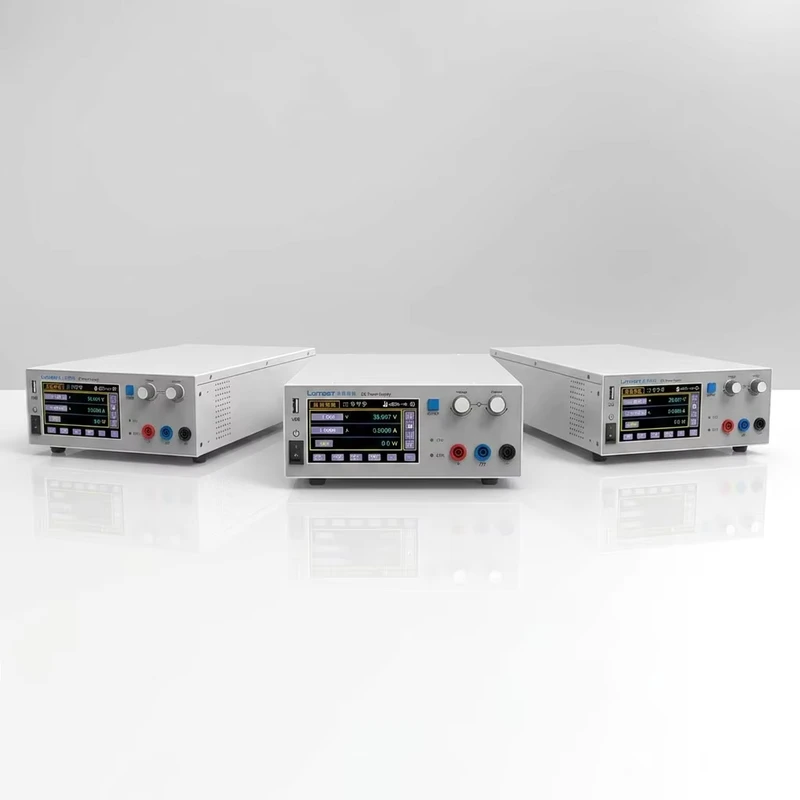
During R&D, the programmable DC supply provides a 0–80V, 0–2A linear regulated output with 160W capacity and 1mV/1mA resolution. Its color touchscreen and sequence-testing function make it relevant for sensor evaluation, DC-DC testing, precision instruments, and controlled power-cycle experiments. Overvoltage, overcurrent, overpower, and overtemperature protection add practical safeguards at the bench.
Moving toward a finished device
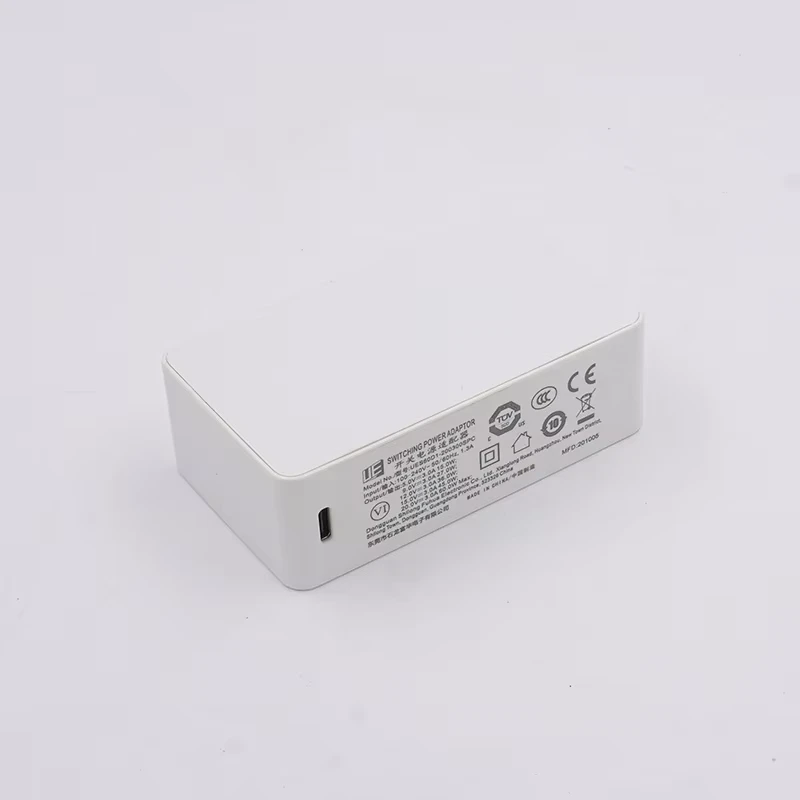
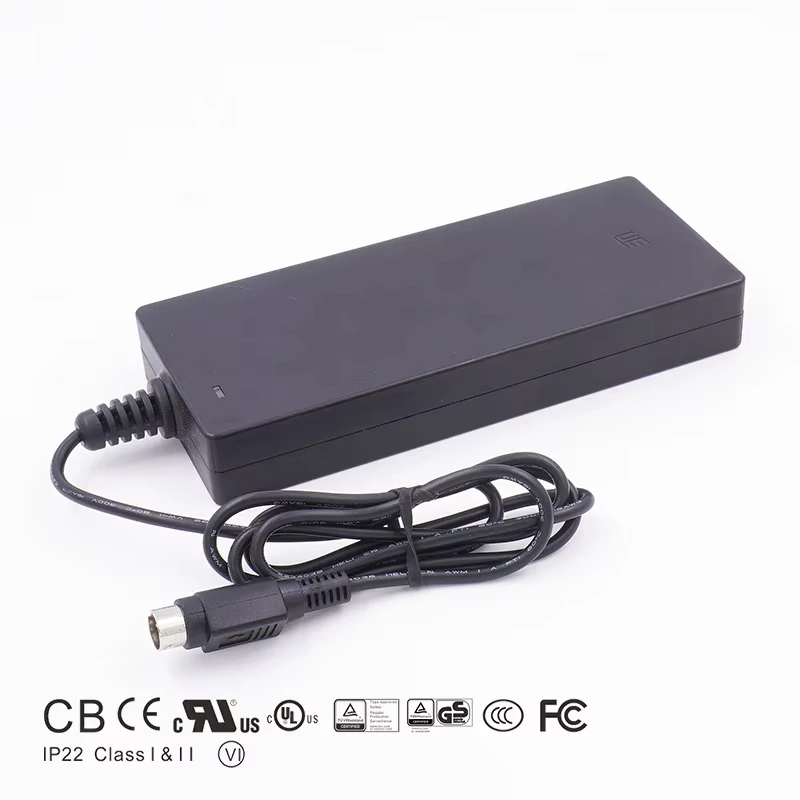
For products requiring a desktop power source, the Level VI adapter offers 30W, 36W, 48W, and 65W options across multiple output configurations. DC cable connections and US, EU, UK, AU, JP, CN, IT, and SA plug choices can simplify regional product planning. Voltage, current, connector, polarity, and cable requirements should be confirmed for each target configuration.
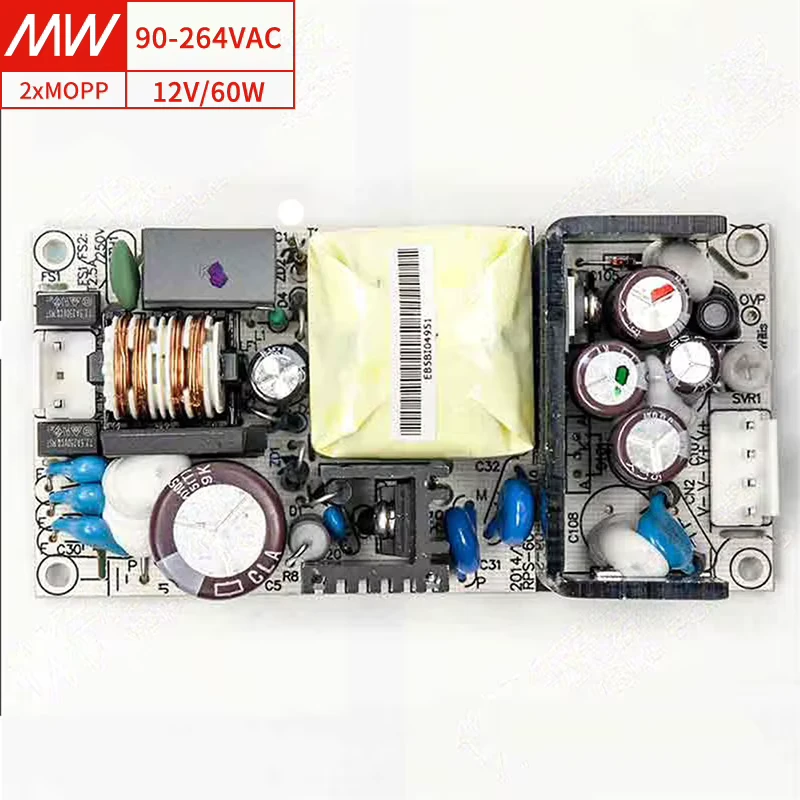
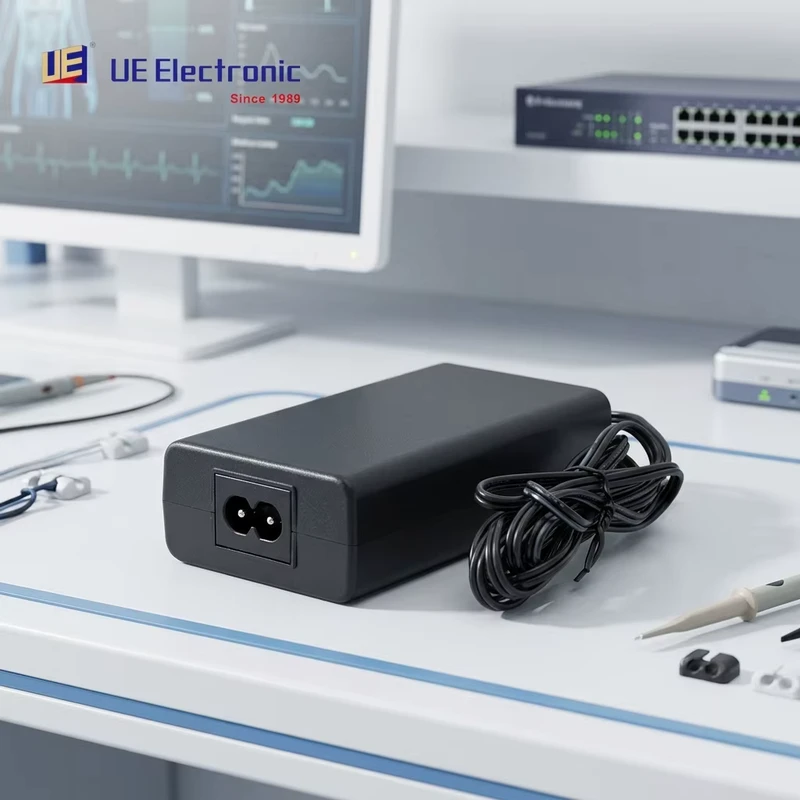
When the power source must be integrated inside equipment, the compact 12V module delivers 12V at 5A from a 90–264VAC input. It reaches 84% efficiency and includes short-circuit, overload, and overvoltage protection, making it a focused 60W option for space-conscious designs requiring a single regulated output.
Importers, distributors, and equipment brands should match electrical performance with enclosure design, thermal conditions, regional compliance needs, and forecast volume. Send your required input range, output rating, connector details, application, and destination markets to begin a focused product and supply discussion.