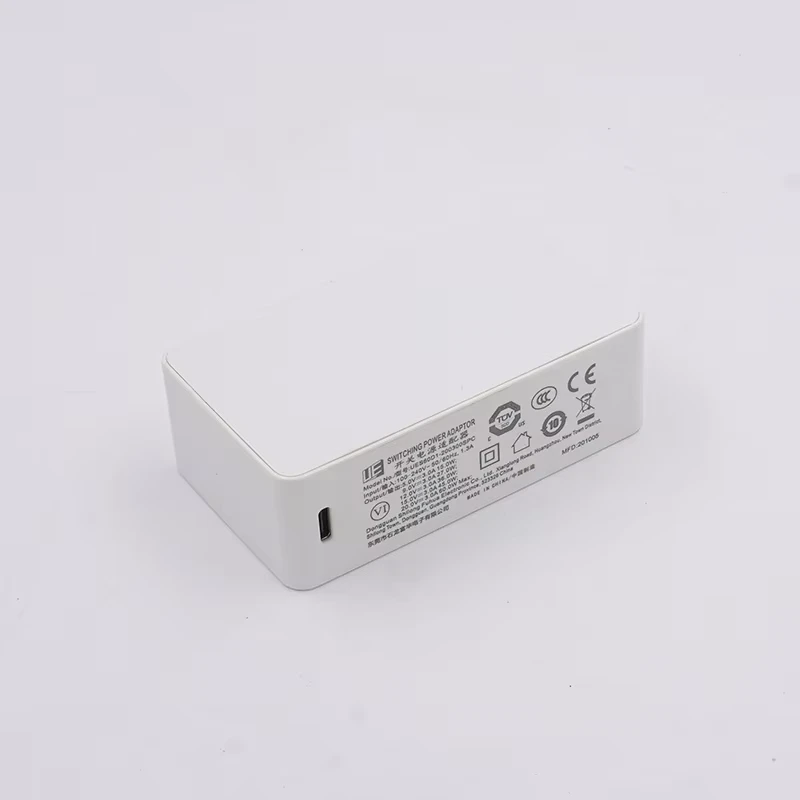
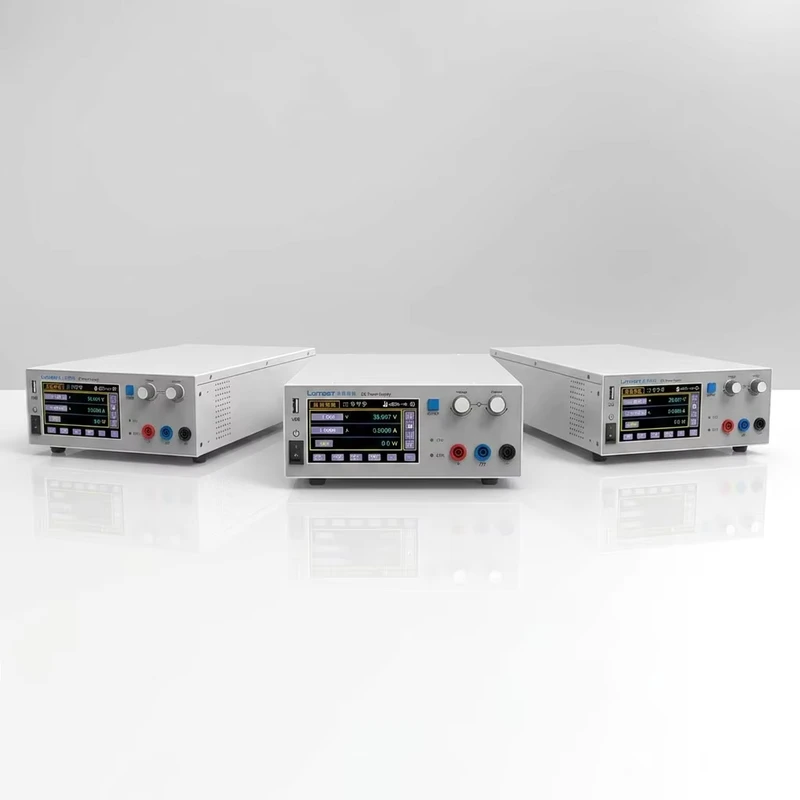
Compare desktop adapters, enclosed 200W power supplies, and protected battery packs when sourcing power for portable medical equipment.
Power sourcing often begins with voltage and wattage, but the physical format can be just as important. A desktop adapter, an enclosed AC/DC supply, and a rechargeable battery solve different integration challenges. Buyers comparing medical power supplies should therefore consider installation, portability, regional use, and maintenance alongside electrical specifications.
Match the Power Format to the Equipment
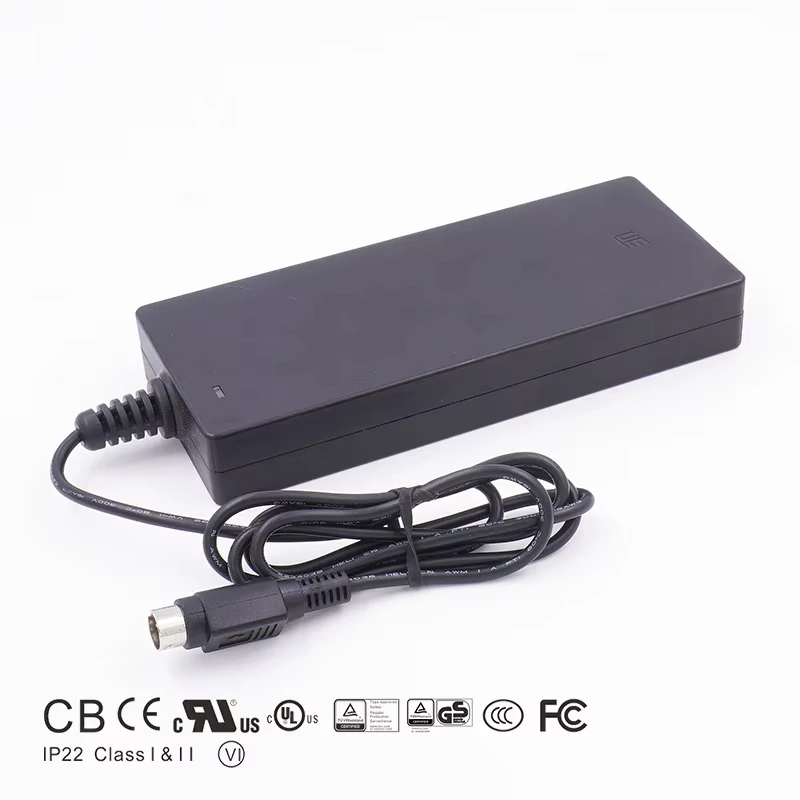
For devices powered from an external unit, the desktop AC/DC adapter offers listed configurations from 3V to 48V, current options from 0.5A to 10A, and multiple regional plug standards. Its desktop design suits equipment that needs a separate power source, including smart radios, routers, speakers, LED products, and selected technical devices.
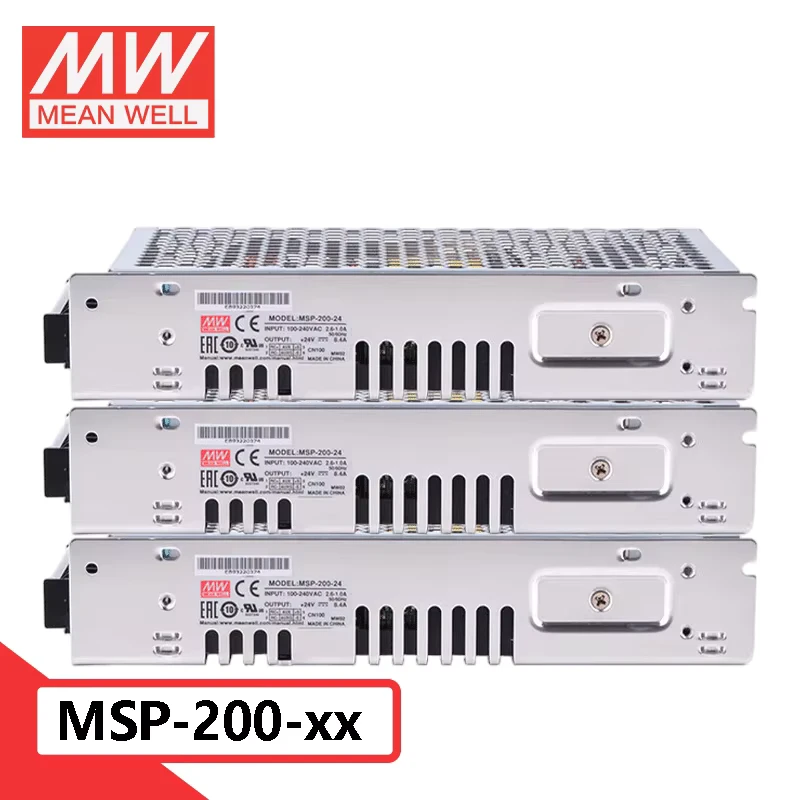
When the power unit will be integrated into a larger assembly, the 200W enclosed supply provides single-output options from 3.3V to 48V. It accepts 85–264VAC input, includes PFC, uses air cooling, and lists short-circuit, overload, overvoltage, and over-temperature protection. Its operating range of -40°C to +70°C supports evaluation for varied equipment environments.
Plan for Portable Operation
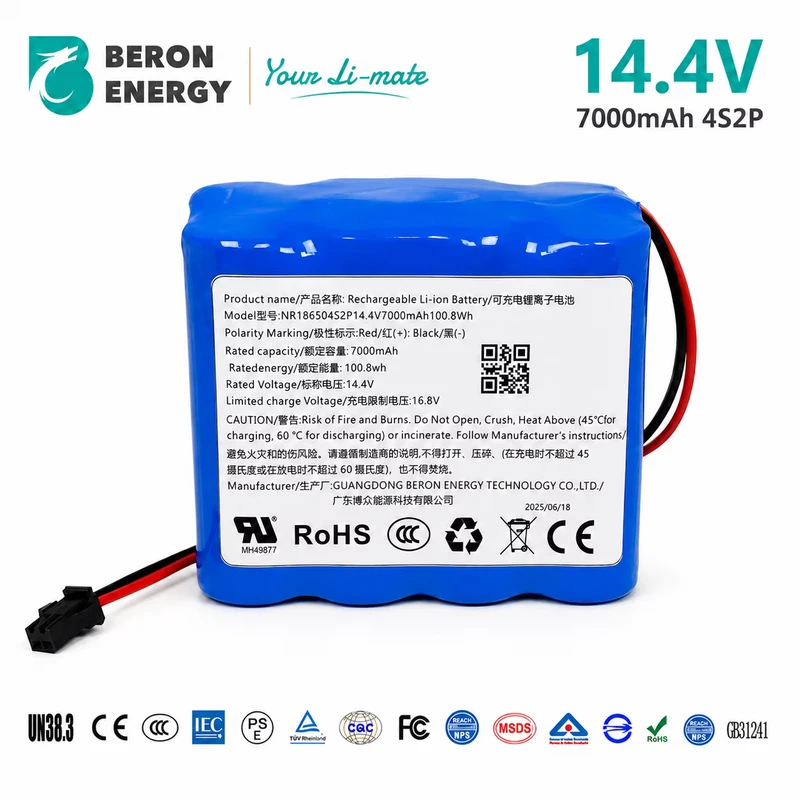
Portable systems need stored energy rather than continuous AC input. The 4S2P battery pack combines 18650 cells, 7000mAh capacity, and up to 8A continuous discharge. Built-in protection covers overcharge, over-discharge, and over-current conditions, making the pack relevant to portable oxygen concentrators and other compact devices after system-level validation.
Before ordering, confirm the exact output, connector and polarity, cable requirements, target plug markets, battery charging profile, installation space, and required compliance documents. Share your technical specifications and forecast quantity to discuss suitable configurations, samples, and supply options.